23.02.2026 / 08:30
The Mechanics of Settlement Risk in OTC Energy Trading Markets
Energy Markets

Settlement is the critical final stage of the trade lifecycle, where notional P&L becomes actual cash flow and physical title transfer. It is also the point at which traders face the greatest risk: the potential loss of the full value of a delivered commodity if settlement fails.

In today’s market, shaped by volatility, broader participation, and the aftershocks of the 2022 liquidity crisis, settlement is no longer a back-office checkbox. Instead, it is a trader’s imperative, requiring an understanding of settlement risk. This includes settlement timing risk (Herstatt Risk1) embedded in M+20 cycles, along with the automation tools needed as markets accelerate toward T+1 settlement.
To understand this pressure point, its necessary to distinguish between the key categories of risk embedded in OTC energy settlement:
1. A Taxonomy of Settlement Risks
In OTC energy trading, risk is a triad of distinct exposures: Counterparty default risk, settlement timing risk, and operational failure risk (see Figure 1). Counterparty default risk encompasses both replacement cost and principal risk, with principal risk exposure typically far larger. Settlement timing risk is a systemic exposure codified in the EFET Agreement. According to EFET, European power and gas contracts typically settle on the 20th of each month following delivery (M+20).
The seller delivers continuously, while the buyer pays with a delay, creating a unidirectional credit extension. This asynchronous structure embeds Herstatt risk over weeks, rather than days, exposing market participants to full principal loss if a counterparty defaults between delivery and payment.
Operational failure risk arises from system failures, human error, or process inefficiencies that can translate directly into financial loss under strict grid-balancing rules.
2. Settlement Risk Mitigation
Effective mitigation relies on legal structures (contract text) and active credit management, through:
- Close-Out Netting: This is the most critical mitigation tool. It is the legal right to offset mutual obligations upon default. However, enforceability varies by jurisdiction, as some bankruptcy laws prioritize gross asset recovery. Risk managers rely on legal opinions to determine whether credit limits can be set on a net basis, thus enabling liquidity, or must remain gross, restricting trading.
- Collateral Management: The Credit Support Annex (CSA) governs collateral posting to mitigate risk. Variation margin is the daily re-valuation of portfolios (mark-to-market). If values shift, the losing party posts cash/securities to cover replacement cost risk. Independent amount (initial margin) covers gap risk, the potential volatility between the last margin call, and the time of close-out. Lastly, Material Adverse Change (MAC) clauses may trigger additional collateral following credit deterioration (for example, below BBB-).
- Migrating to Central Clearing Counterparties (CCPs): This mitigates risk via novation. The CCP becomes the buyer to every seller and the seller to every buyer, extinguishing the original bilateral contract. CCPs are bankruptcy remote, utilizing a default waterfall to cover losses.
- Liquidity Trade-Off: The 2022 energy crisis exposed the liquidity trade-off inherent in clearing. Margin calls shifted risk from counterparty insolvency to funding liquidity, pushing otherwise solvent firms into technical default.
While legal structures handle insolvency, day-to-day risk often is operational. Traders must aggregate large transaction volumes, adjust forecasts, and net them to 15-minute grid intervals.
To combat operational failures, the industry is increasingly adopting EFET’s electronic Settlement Matching (eSM) standard, enabling automated T+n settlement matching that flags discrepancies early and reduces disputes.
Earlier matching also shifts dispute resolution upstream, reducing manual intervention at month-end and improving cash-flow predictability. However, achieving accelerated settlement will require new approaches to liquidity management, intraday funding, and closer alignment between wholesale settlement cycles and retail cash collection, particularly for utilities with monthly retail billing cycles.
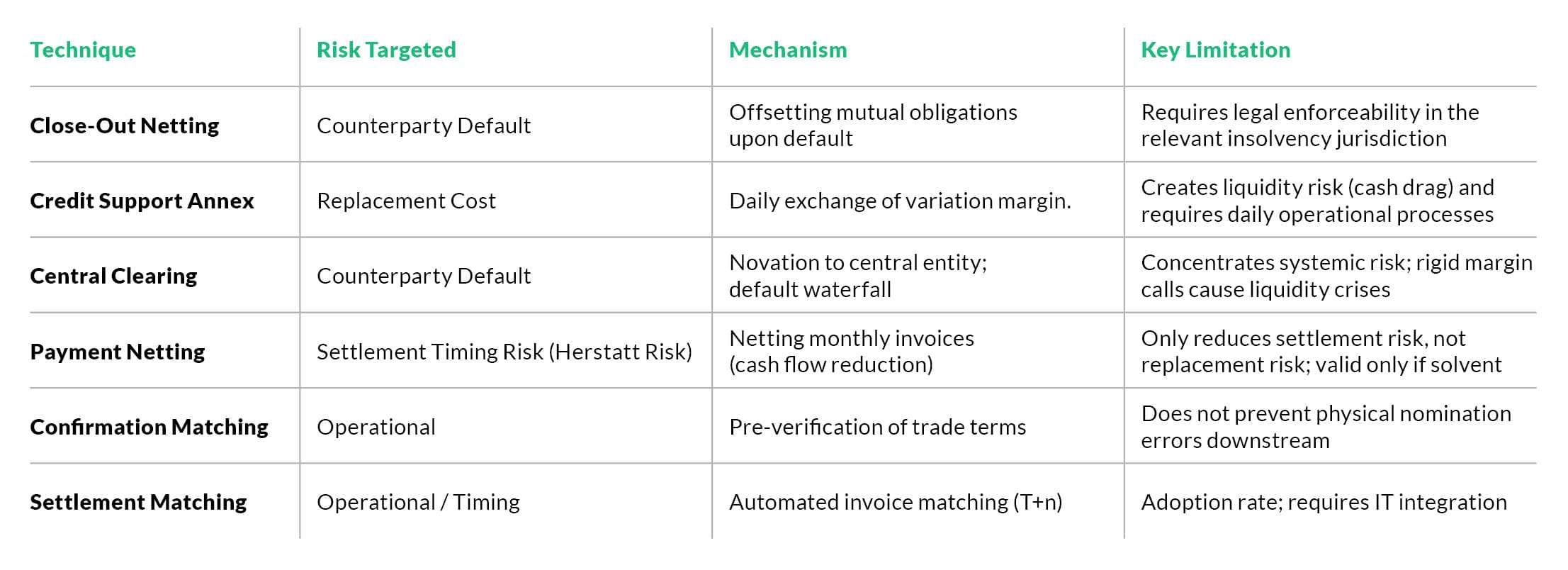
Table 1: Summary of Settlement Risk Mitigation Techniques
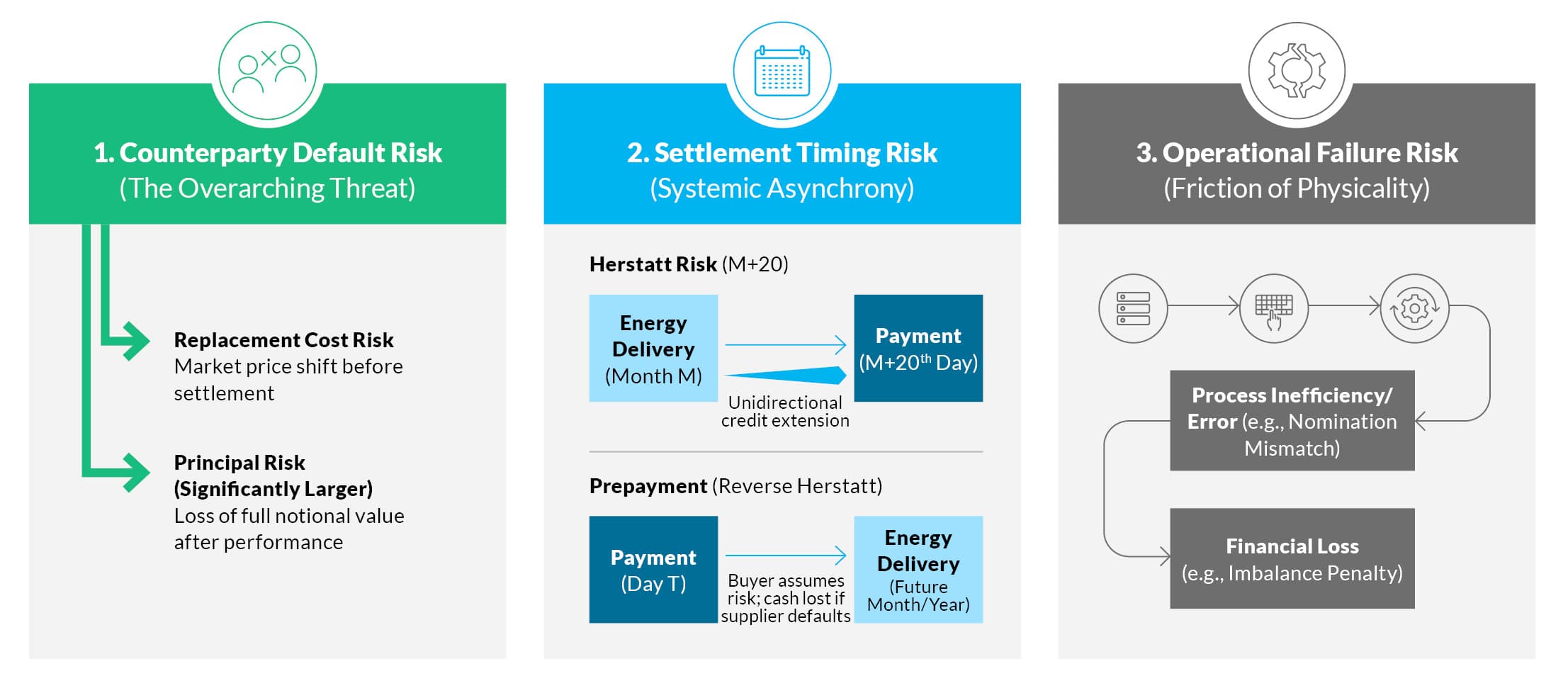
Figure 1: OTC Energy Trading Settlement Risks
3. The Future: Accelerated Settlement
The pressure to modernize is mounting. While USA financial markets have moved to T+1 settlement, OTC energy trading continues to operate on M+20 settlement cycles, allowing credit exposure to compound to ~50 days. Moving energy to daily/weekly settlement would drastically reduce capital requirements and systemic risk. However, a structural gap remains. Utilities collect revenue from retail customers on a monthly basis, while paying wholesale costs daily (T+1), creating a significant one‑sided working capital deficit.
Conclusion:
Settlement risk in European OTC energy markets represents a hybrid exposure where the slow, monthly rhythms of physical billing collide with the instant volatility of modern power grids. Mitigation has evolved from bilateral trust to a sophisticated architecture of master agreements, CSAs, central clearing, and automated matching. The trajectory is clear: the market is converging toward accelerated settlement. The capital cost of the traditional M+20 payment cycle is becoming unsustainable in a digitized sector that is shaped by renewables. While the shift to T+1 cycles appears inevitable, it demands a fundamental re-engineering of utility cash flow strategies. Market participants must now trade liquidity risk for credit risk. This high-stakes structural shift will define the next decade of energy trading.