12.02.2026 / 08:30
A Methodological Risk Management Blueprint for Energy Markets in a VUCA World
Energy Markets
Contemporary global energy markets are undergoing an unprecedented transformation. This massive change is driven by geopolitical tensions, disruptive technologies, climate change policies, and shifting consumer preferences. No wonder energy markets are more volatile in price behaviour, uncertain in policy frameworks, ambiguous in interpretation of events, and complex in structure than ever.

Today’s energy markets are characterized by rapid price swings in oil, gas, and electricity, dramatically affected by supply shocks such as the war in Ukraine, extreme weather events, or sudden shifts in demand. For example, the 2022 energy crisis saw European gas prices spike over ten times their pre-war levels.
Unpredictable policy shifts, such as introduction and abolishment of subsidies, phase-outs of fossil fuels, postponement of carbon trading schemes, and carbon taxes make reliable forecasting of regulatory frameworks impossible and create uncertainty for market participants.
Moreover, modern energy systems involve complex, interconnected structures, such as grids, storages, digital platforms, carbon markets, supply chains, and global financial flows. The rise (and fall) of elements, including new structures such as Power Purchase Agreements (PPAs) or Battery Energy Storage Systems (BESS), can ripple across markets, regulations, and infrastructures. Moreover, market, political, or regulatory events may allow for different interpretations, leading to ambiguity in each component of the energy system. For instance, a surge in renewable energy may reduce fossil fuel demand, as well as increase grid instability. Thus, the same data can be interpreted in multiple ways, depending on context and perspective.
With so much Volatility, Uncertainty, Complexity, and Ambiguity (VUCA) in the world energy markets, a risk framework is needed. This will enable organizations to move beyond reactive risk control and act on a proactive, adaptive mindset to increase resilience.
The following four-level approach (adapted from [KR], see also [KS]) shows which risk management strategy should be chosen, depending on the dominating VUCA component.
The first level (linear, routine-based approach) is applied to well-understood risk management tasks (such as selling power plant output on the futures markets) under normal circumstances. Here, traditional approaches work perfectly. Model uncertainty is limited, and decisions are typically easy to make.
For more complex situations with extreme events, such as sudden price spikes in highly volatile market circumstances which may lead to massive losses in long-term fixed contracts, the second level is needed. Typically, at this level dynamic hedging with options and flexible contracts is applied by experienced risk managers to take complexities adequately into account. Related risks are still considered acceptable, as they are in line with the strategy, limit, and threshold system.
The remaining two levels are characterized by significant epistemic uncertainties and high non-linearity. Typically, the process of risk measurements is unstable (caused by ambiguities) and accompanied by various uncertainties.
For example, a utility’s renewable integration relies on proper forecasting, grid management, and independent storage systems. Risk management must use structured decision-making tools (such as scenario planning with multiple futures, including rapid decarbonization vs. gradual transition) and factor in diverse perspectives, that may challenge standard assumptions. Decisions must be made by cross-functional teams with appropriate regulatory intelligence and knowledge of (global) market trends.
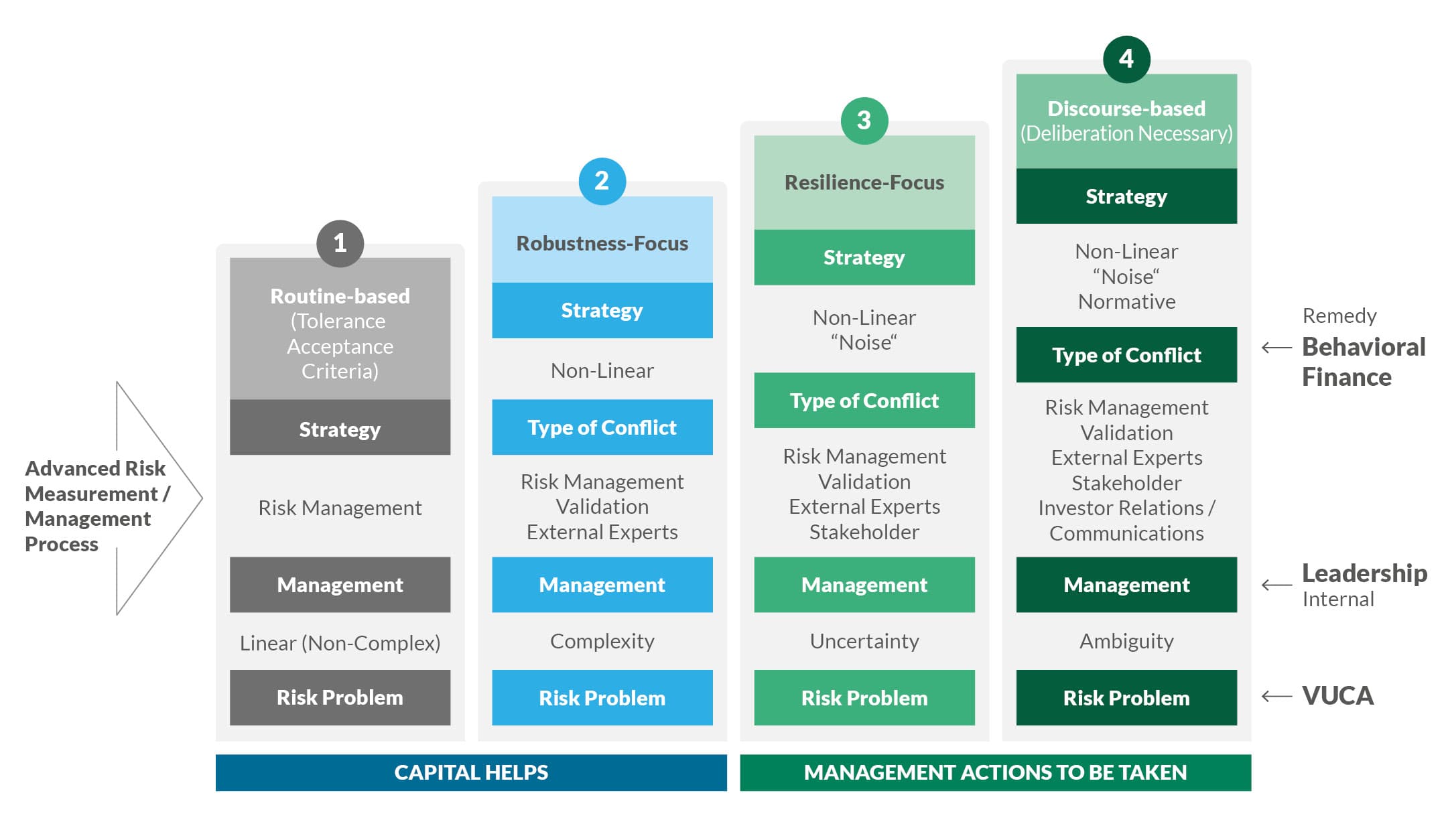
Figure 1: From Risk Measurement to Decision-Making Under Uncertainty
More importantly, senior management needs to be a catalyst for implementing a VUCA-ready risk management culture. The strategic tone of the organization must align with VUCA principles, which need to be included in mission statements, performance metrics, and board level reporting. Teams within the organization must feel empowered to challenge assumptions, report risks early, and think in innovative ways.
As teams need to be able to manage complexity and ambiguity, necessary tools — such as AI agents, data in high-quality, scenario planning, and personal skills training — must be available. Executives must demonstrate agility by revising strategies based on new data, reacting transparently to uncertainties, and encouraging a positive failure culture that learns from mistakes. Senior management must break down silos by requiring collaboration between risk, finance, and engineering teams to ensure holistic problem assessment.
By identifying and addressing the specific risk management problems tied to each VUCA component, organizations can build resilience. But ultimate success relies on senior leadership to drive cultural change, allocate resources, and model adaptive decision-making.
Literature
[KR] Klinke, A. and Renn, O. (2015) Risk governance and resilience: New approaches to cope with uncertainty and ambiguity, Springer 2015.
[KS] Kiesel, R. and Stahl, G., (2023) An uncertainty-based framework for managing climate risk, Annals of Actuarial Science, 1-18.