16.02.2026 / 08:30
New Dynamics are Redefining Energy Trading
Energy Markets

Dynamic pricing and real-time valuations are transforming energy markets. As volatility and exotic instruments rise, traders need transparent risk management and cloud-native platforms to deliver speed, scalability, and precision in today’s high-stakes environment.

Variable pricing and dynamic valuations are currently being used in an increasing range of industries. Sophisticated dynamic algorithms enable firms to update prices, ranging from gasoline to data processing capacity, multiple times a day, based on a wide assortment of input factors.
This is certainly not news to energy traders, who have dealt with multi-factor pricing models for decades. But growing model complexity and a flood of new, exotic instrument types are raising the stakes.
Price per barrel, type, and destination? Not anymore. Now, it is one of several descriptions of energy grade or content whether spot or long-term, with multiple exercise dates and payoff structures that account for the needs of each producer, shipper, trader, and consumer, linked to other oil or gas prices, with additional conditions layered on top.
Combine all this with the volatility of energy markets, accelerate it to the speed and volume of modern energy trading, and then multiply it by the unpredictability of geopolitical and climate issues. The result? You have a market that needs faster and more accurate valuations.
The Rise of Exotic Instruments
The advent of new and improved types of energy generation, transportation, and storage is fueling a shift in trading patterns and a wealth of new financial instruments. To remain competitive, energy traders and analysts need to add or modify any instrument in their risk management platform, regardless of type or complexity. Opaque valuations and black-box models have no place in this market.
Along with energy instruments, new and improved portfolio and risk management platforms have been introduced to the market. Advanced energy trading, valuation, and risk tools bring down the barriers to transparent portfolio and risk management. With open-code licenses and customizable instrument definitions, analysts can clearly see the calculations behind any valuation, modify the terms or parameters, and build completely new ones. Once tested and approved, new or updated models and instruments are instantly distributed to appropriate portfolios throughout the firm. Any questions or unexpected changes can be quickly answered, and appropriate adjustments can be made.
Accelerating the Valuation Process
In addition, the increasing volatility and uncertainty of energy markets are demanding faster responses. Accurate, on-demand valuations are crucial for assessing risk exposure and making strategic decisions. End-of-day valuations without intraday or real-time risk, cross-asset and portfolio aggregations, or updated Value at Risk (VaR) and Profit and Loss (PnL) analytics, are simple not enough.
Modern, cloud-based infrastructures are powering the response to these needs. When markets move faster or macro uncertainties increase, cloud-native platforms scale as needed. High-performance computing and data fabrics deliver the complex inputs and compute resources necessary for calculating valuations and related analytics, revealing important risk factors when they are needed.
The Taming of the Wildcat
It sounds simple – markets are growing more complex and moving faster, so energy trading firms need to ingest more, calculate more rapidly, and respond with precision. But legacy systems have become dry holes, no longer able to meet these growing demands.
Beacon by CWAN is taming this wildcat technology through a legacy of building advanced models for investment banking around a core of modern infrastructure and best practices. From innovative partnerships and renewable energy sources to midstream assets and carbon credits, energy firms can now own the model development and lifecycle, delivering confidence in valuations, accelerated responses, and better performance.
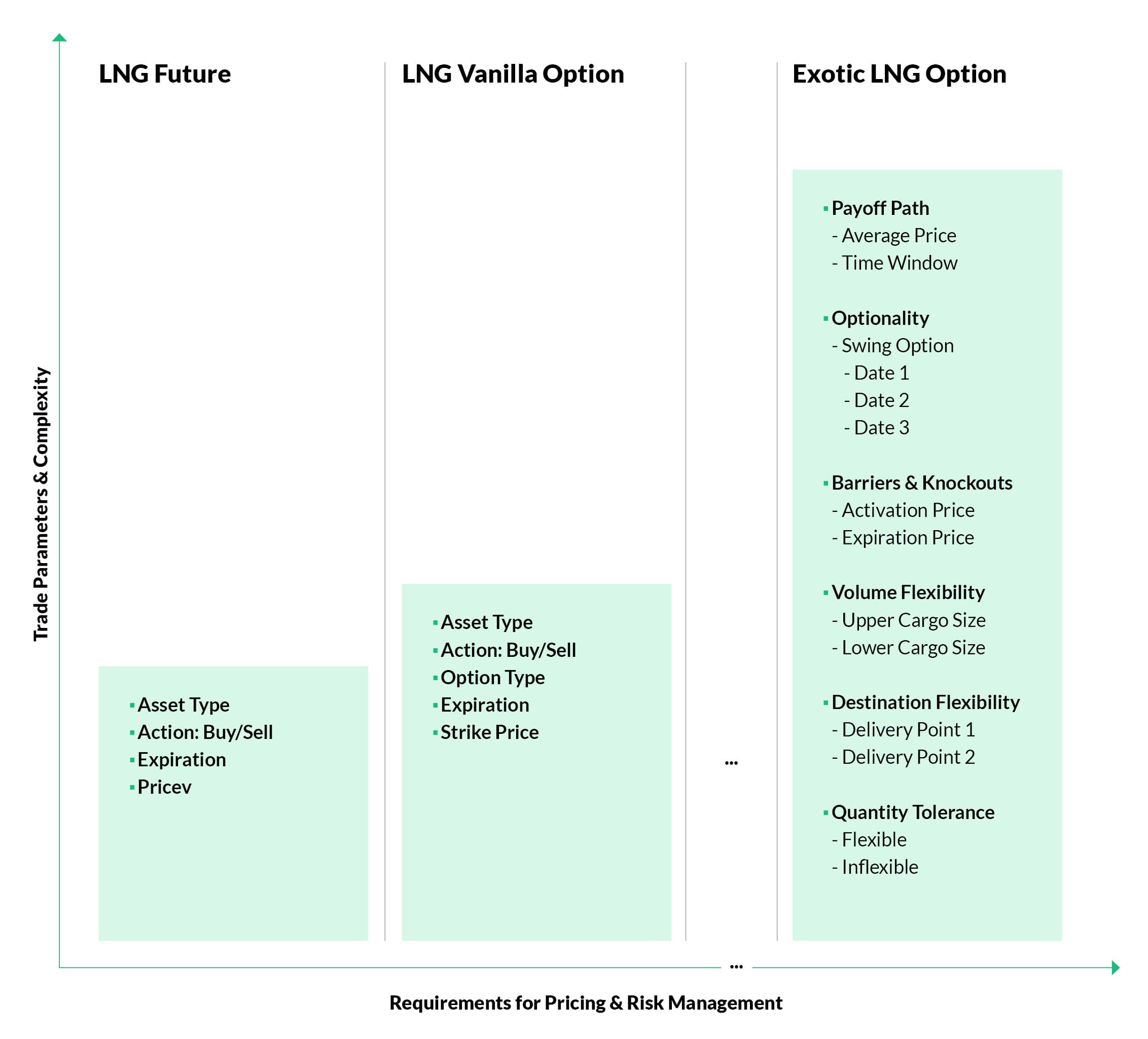
Figure 1: Increasing Complexity of LNG Derivatives and Risk Management Requirements